
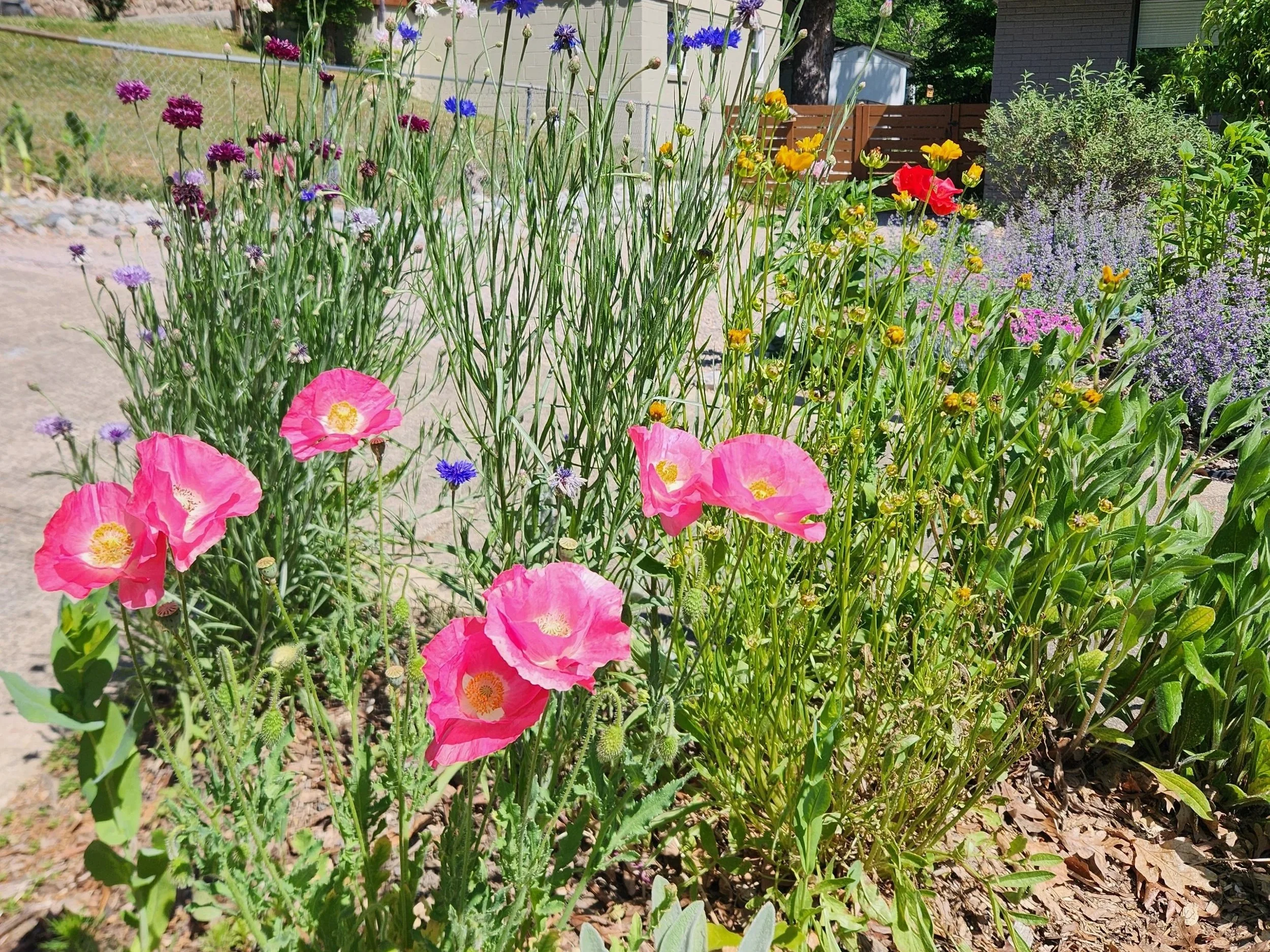
Native Plants for the NC Piedmont,
Grown in the Triangle
We’re Everstead, a community of gardeners rooted in the land we tend.
This fall, we’re opening our gates for our first-ever plant sale.
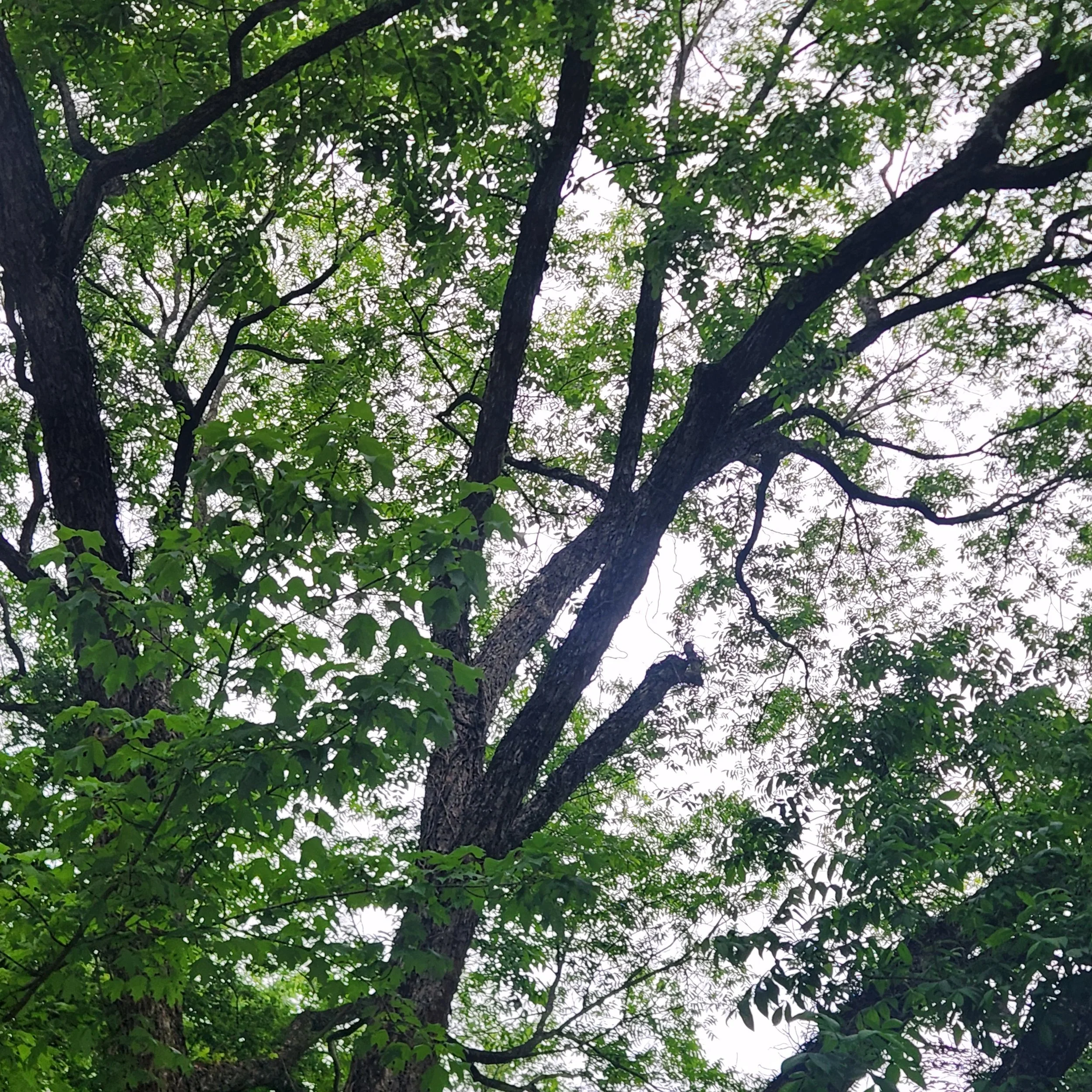
Everstead, a name with intention.
A family of agricultural businesses rooted in the NC Triangle. The name says it simply.
Ever, the lasting impact we have on the land. Stead, the place we tend with intention.
Dedicated to caring for land in a way that gives back more than it takes.
We start with plants.
The grasses, wildflowers, shrubs, and trees that belong to this place and have shaped the NC Piedmont's ecology for thousands of years. Growing these plans is an act of stewardship: returning something the land has always needed, one yard at a time.
This is just our beginning.
More is on the horizon. All rooted in the same idea.
For now, we focus on the land and getting the right plants into the hands of people who want to rewild their corner of North Carolina.
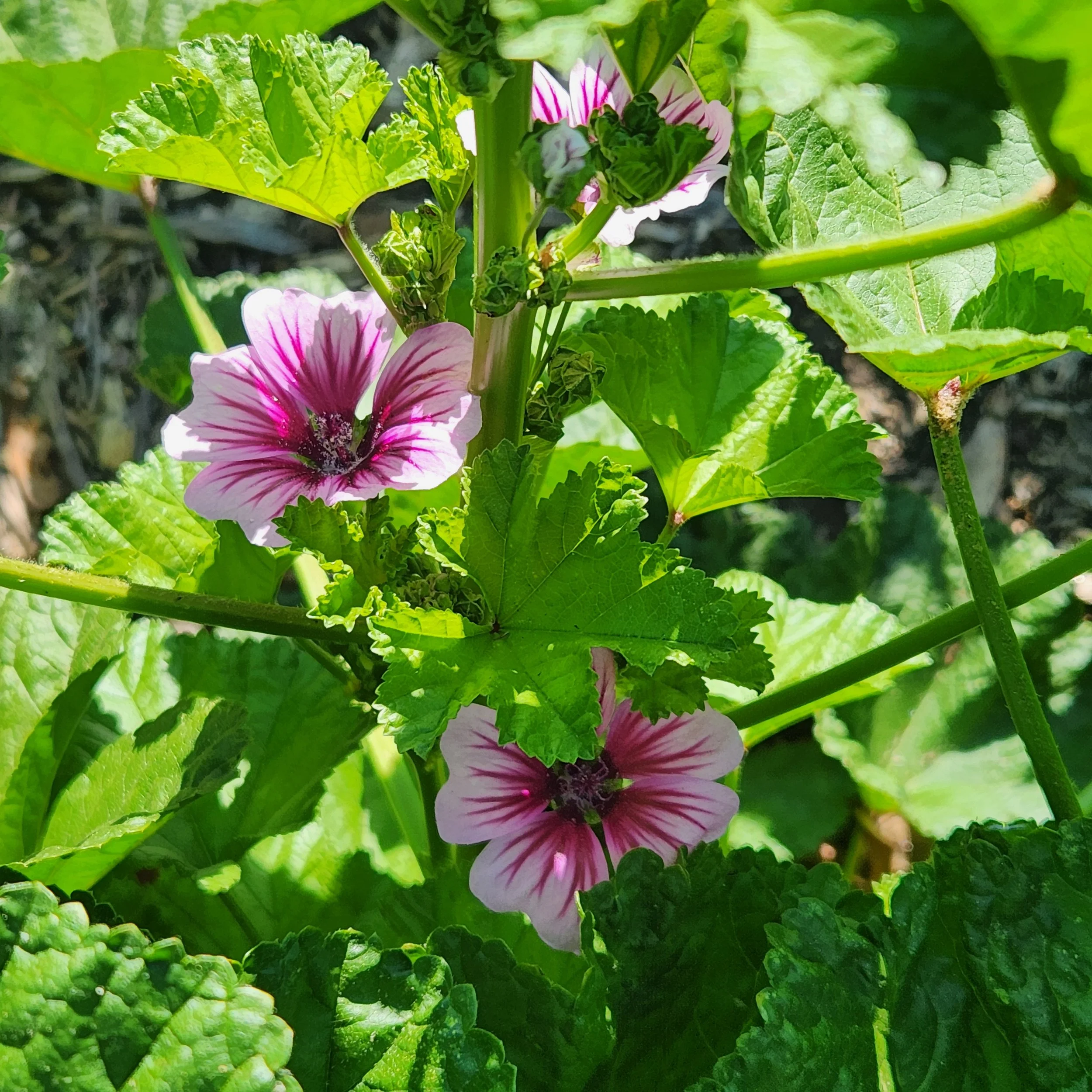
Join the Rewild List
Our fall plant sale is coming in October 2026. List members get early access before we open to the public. We’ll also send growing guides, planting tips for Triangle soils, and occasional notes from the farm.
The Rewild Sale
Fall Plant Sale
This October, we’re opening the farm for our inaugural plant sale. Locally grown, Triangle-sourced native plants. The species that belong here and make a measurable difference when you plant them.
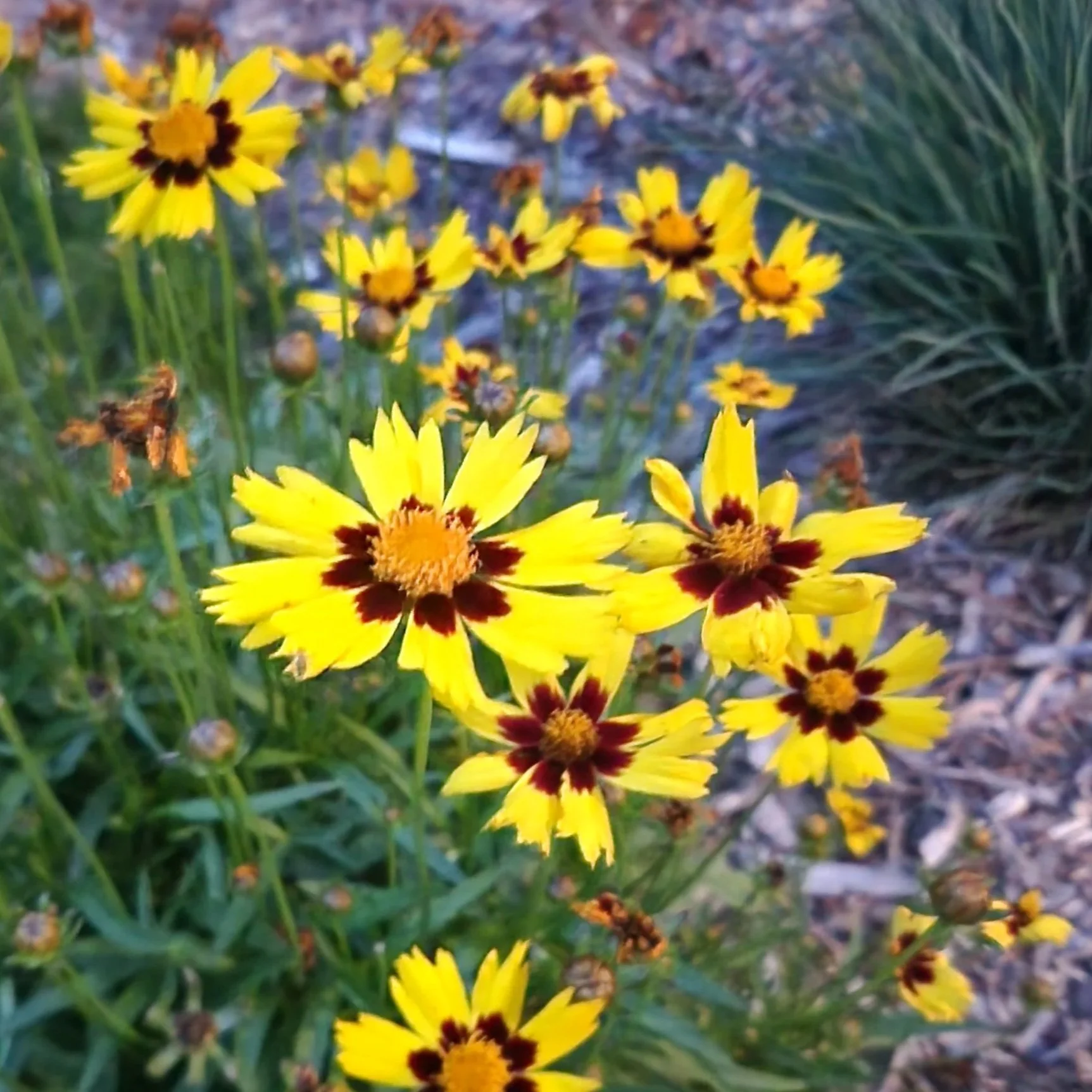
You’ll find prairie and meadow plants like black-eyed Susans, purple coneflower, and coreopsis. Native grasses that anchor the soil and move beautifully in fall wind. We’ll share details on every species so you leave knowing exactly what you’re planting and why.
-
October 2026 - exact date to be announced soon
-
Everstead in downtown Raleigh, NC
-
Rewild List members shop 24 hours before public opening
-
NC Piedmont native plants, locally grown from regional seed stock
Join the Rewild List
for early access.
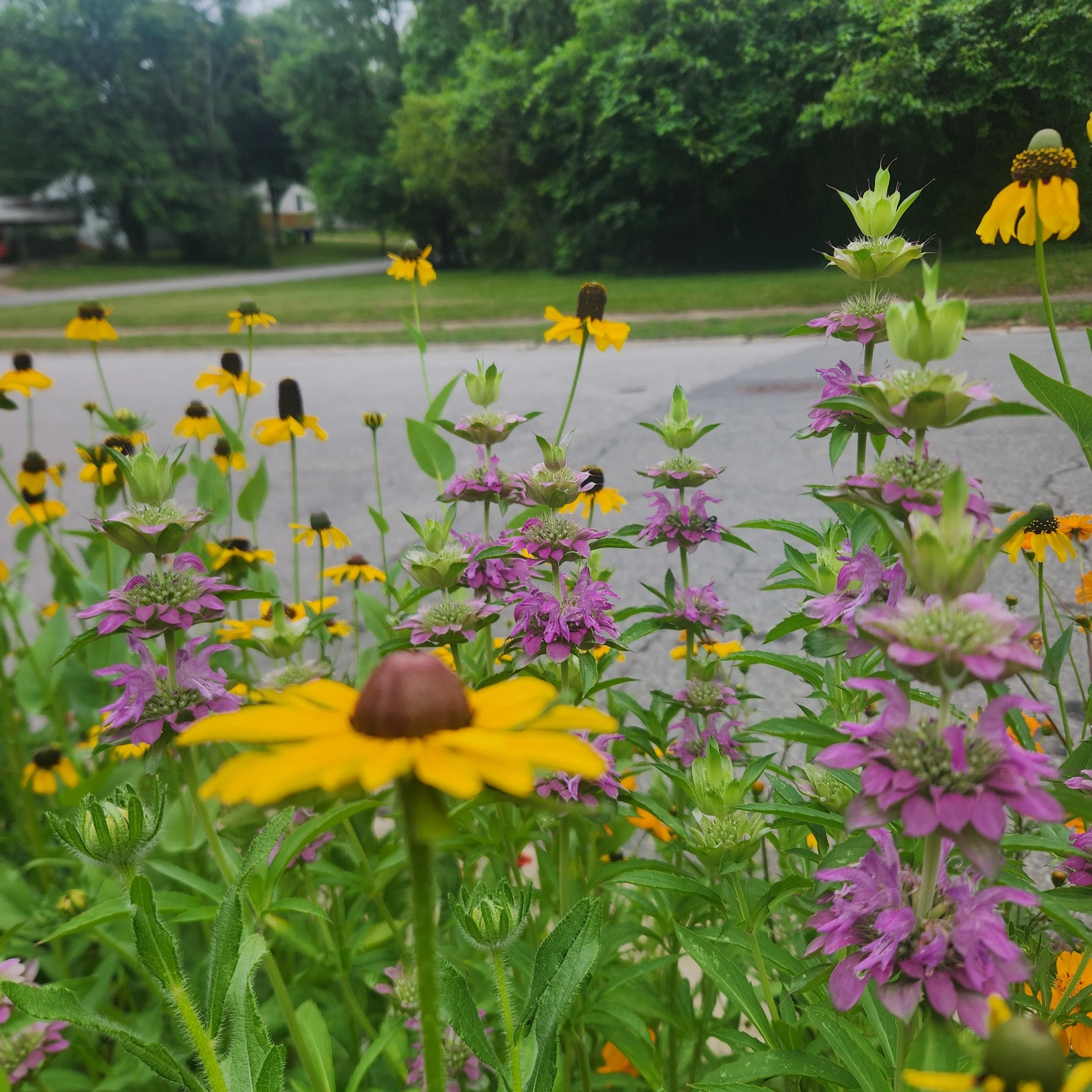
SOIL QUALITY, MORE THAN SURFACE DEEP
The average lawn grass roots to about 6 inches. Native grasses like switchgrass, a Piedmont staple, root more than 9 feet deep. Those roots break up compacted clay, open drainage channels, and build organic matter as they cycle through the seasons. Once established, a native plant bed largely feeds and waters itself.
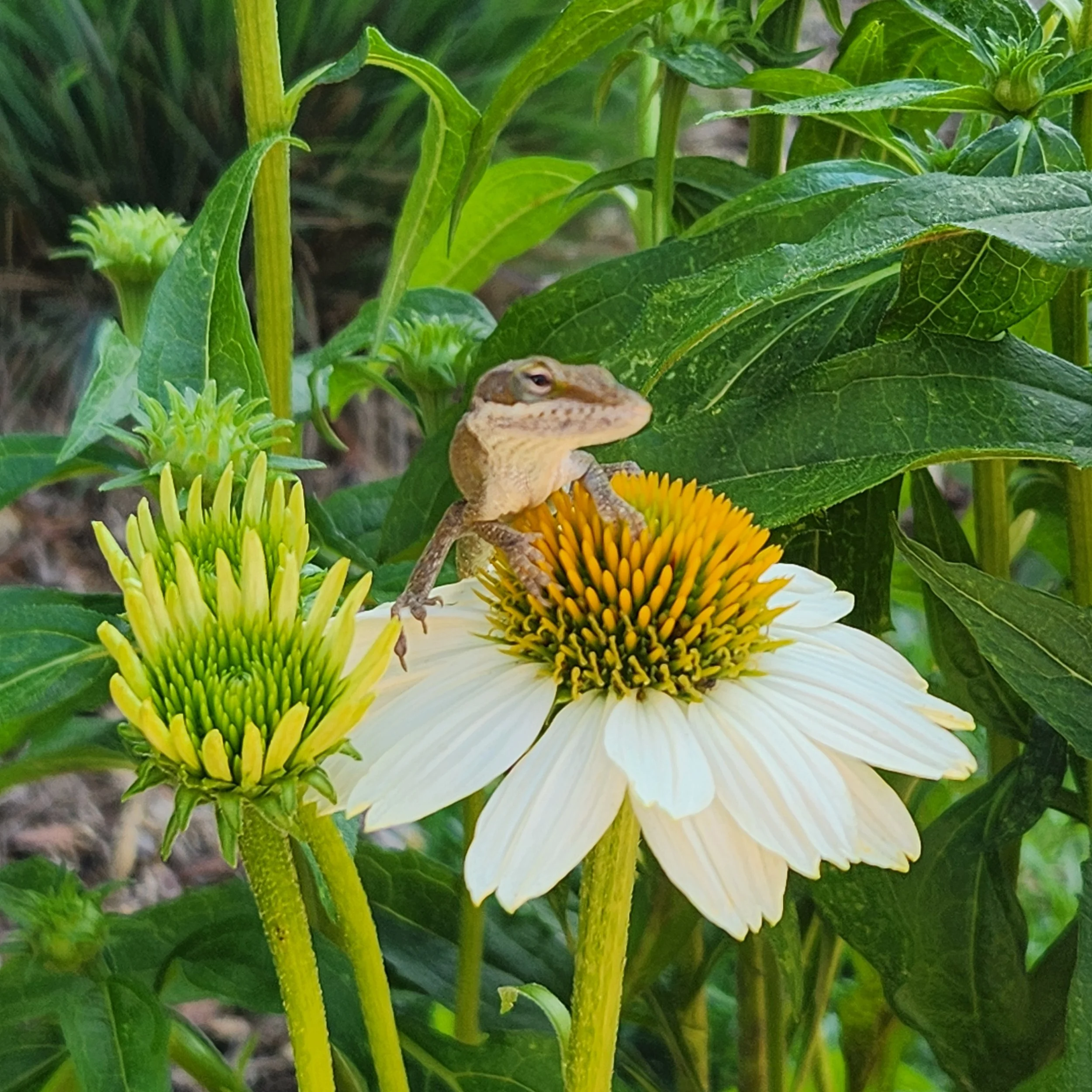
ECOSYSTEM & BIODIVERSITY
The five-lined skinks darting through your garden beds, the spring peepers calling after the first warm rain; they're all eating from the same insect populations that native plants sustain. Pull the natives out and the whole chain unravels: no plants, no insects, no lizards, no frogs, no birds. Silence.
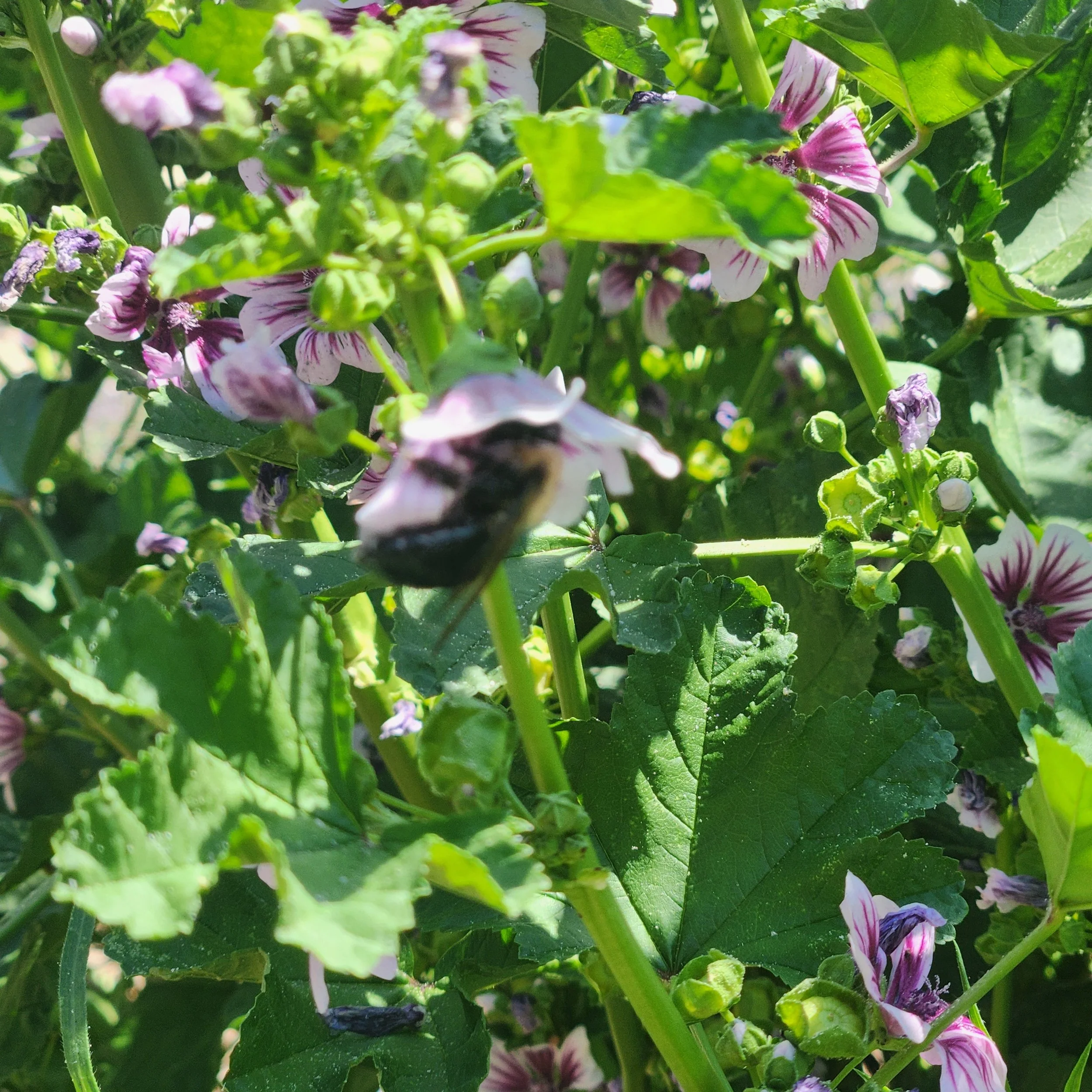
NATIVE PLANTS & POLLINATORS
North America is home to 4,000 species of native bees and most of them evolved alongside specific native plants, able to collect viable pollen from only a narrow set of species. When you plant natives, you're not just adding habitat. You're restoring the only habitat many of these bees can actually use.
Why Native Plants Matter
Frequently Asked Questions
-
Native plants are species that evolved naturally in a region over thousands of years, forming relationships with local wildlife. Non-native plants were introduced from other parts of the world and lack those ecological connections.
A native oak tree, for example, supports over 500 species of caterpillars in the eastern US. A Bradford pear, introduced from Asia, supports almost none. That gap ripples through the whole food web.
This doesn't mean every non-native plant is harmful. But it does mean that when you choose native plants, you're rebuilding habitat. You're feeding birds, sheltering pollinators, and connecting your yard to the larger ecosystem around it.
-
To start a native plant garden in NC clay soil, choose clay-tolerant native species, amend planting holes with compost (not sand), and plant slightly high to improve drainage around the crown. Many NC natives actually thrive in clay once established.
Here's a simple approach:
Don't fight the clay, work with it. Species like wild blue indigo (Baptisia australis), swamp milkweed (Asclepias incarnata), and cardinal flower (Lobelia cardinalis) are naturally adapted to heavier soils.
Loosen the planting hole wider than it is deep, and mix in a few inches of compost to improve structure without creating a "bathtub" effect.
Mulch generously. A 2–3 inch layer of shredded hardwood mulch moderates soil temperature, holds moisture, and slowly improves clay as it breaks down.
Give it one full season. Native plants invest their first year in root growth. They may look slow above ground, but they're building the deep root systems that make them drought-tough.
-
The NC Piedmont is home to a remarkable range of native plants suited to its red clay soils, humid summers, and mild winters. Reliable performers include Eastern red columbine (Aquilegia canadensis), wild blue indigo (Baptisia australis), black-eyed Susan (Rudbeckia hirta), native azaleas, and beautyberry (Callicarpa americana). For shade, look to foamflower (Tiarella cordifolia) and native ferns. For sunny spots, little bluestem (Schizachyrium scoparium) and purple coneflower (Echinacea purpurea) are workhorses.
The Piedmont's position between the coastal plain and the mountains gives it a diverse native flora, plants that have evolved over thousands of years to thrive in exactly your conditions. That means less fussing over fertilizer and watering, and more time enjoying your yard.
-
The best times to plant native plants in the Triangle are fall (mid-September through November) and early spring (March through April). Fall is actually ideal, cooler temperatures and reliable rainfall let roots establish before summer heat arrives, and you'll see stronger, faster growth the following year.
Spring planting works well too, especially for warm-season plants like coneflowers and grasses. What to avoid: planting during July and August heat, when even drought-tolerant natives need extra help getting established. If you do plant in summer, plan to water deeply once or twice a week for the first season.
At Everstead, we grow our plants in the Triangle and sell them at peak planting times, so what's on our tables is ready to go in the ground.